The Power of Practice-Transforming Experience into Innovation
February 10 – 11, 2026
Virtual conference, no registration cost
The Division of Student Success and Institutional Partnerships at the Texas Higher Education Coordinating Board is excited to host the fourth Digital Learning Summit, where leaders, educators, and innovators gather to explore the latest trends and technologies shaping the future of digital learning. Attendees from across the state will share ideas, build connections, and collaborate.
The theme of this year’s Summit, The Power of Practice—Transforming Experience into Innovation, highlights agile approaches that promote student success, support credential completion, and strengthen pathways into high-demand careers, all contributing to Building a Talent Strong Texas.
The conference brings together faculty, librarians, instructional designers, administrators, digital learning staff, students, and others in the digital learning community. The Summit will feature engaging virtual sessions to allow participants to collaborate and network with practitioners from institutions of higher education across Texas.
Institutions will host collaborative Idea Exchanges at their campuses using provided facilitator resources, such as interactive activities and discussion prompts.
To enhance the virtual summit experience, institutions were invited to host live, campus-based Idea Exchanges that bring participants together for meaningful, in-person engagement. These onsite events, ranging from intimate gatherings of like-minded peers to large conference-style sessions, provide a dynamic platform for extending conversations sparked by thought-provoking summit programming. Through open dialogue and collaborative discussion, Idea Exchanges enable participants to share insights, explore perspectives on digital innovation, and deepen the impact of the summit within their campus communities.

Across Texas, innovation thrives when institutions and the state work side-by-side. In this celebratory and solutions-focused session, we spotlight the collaborative partnerships that have shaped new digital learning tools, resources, and models now available to the higher education community. Opening remarks will be provided by Dr. Wynn Rosser, Commissioner of Higher Education and CEO of the Texas Higher Education Coordinating Board (THECB).
Institutional leaders and THECB partners will share the stories behind these co-created resources, where they began, what challenges they solved, and how collective effort drove meaningful change. Attendees will see firsthand how collaboration has produced practical solutions that strengthen teaching, learning, and student success across the state.
This session blends recognition, storytelling, and demonstration to show that when Texas institutions join forces with THECB, the results are transformative, scalable, and deeply aligned with our shared mission.

Tammi Perez-Rice, EdD
Charles A. Dana Center

Ryan Boettger, PhD
University of North Texas

Terri Pantuso, PhD
Texas A&M University

Luke Dowden, EdD
Alamo Colleges District

Wynn Rosser, PhD
Texas Higher Education Coordinating Board
If you’re exhausted by pressure to “learn AI,” this session is built as relief, not another burden. In this interactive workshop, you’ll see how to use AI as a digital assistant that gives you practical superpowers in your teaching: more done in less time and more ways to reach students, without giving up control of content or relationships. You’ll learn how to ask AI for first drafts of the pieces that usually eat hours—rubrics, slides, assignment directions, and first passes at adapting lessons for different abilities—so you can edit quickly instead of starting from a blank page. You’ll practice using AI as your draft partner for your own work (lesson plans, presentations, emails) while you still decide what to teach, how to teach it, and how to respond. You’ll also sketch one small, low‑risk way for students to use AI or simple VR to explore ideas or practice skills that lightens your load while you keep the questions, guardrails, and grading in your hands. We’ll name ethical and practical ways to talk about AI with students so it stays a tool when it’s taught well and doesn’t become a weapon when it isn’t, focusing on simple tools your campus likely already offers. You’ll leave with a short list of prep tasks you can safely hand to AI, one student‑facing AI/VR idea, and a brief “if this, then try this” guide to help you decide what to delegate to AI and what to keep fully human, in ways that support student success in an AI‑enabled world.
Session Track: From Innovation to Impact

Elisabeth Meindl
Houston City College - Central Campus
Texas State Technical College (TSTC) has become a leader in integrating virtual and extended reality (VR/XR) into technical education—transforming how students learn, practice, and master hands-on skills. What began as an innovative response to our competency based education initiative has evolved into a strategic approach to immersive learning. In this panel, leadership from TSTC’s Instructional Design and Support and Automotive program will discuss the evolution of VR implementation and share insights into funding strategies, software and hardware selection, integration with Canvas, and program curricula. This panel shares the story of how immersive learning became a shared culture—supported by leadership, guided by industry, and sustained by faculty training. Through strategic leadership, strong industry partnerships, and innovative faculty, TSTC has created immersive experiences that simulate real-world challenges and drive student engagement—from utility poles to engines to dental chairs.
Session Track: Moving Beyond the “Wow” Factor

Katie Deering
Texas State Technical College

Michael Cropper
Texas State Technical College

Rudy Cervantez
Texas State Technical College

Terra Alvarado
Texas State Technical College
Access to high quality course materials remains a significant deterrent to student success. Many students forego purchasing expensive textbooks despite knowing it will hurt their performance (Hanson 2024; Jenkins et al., 2020). Open educational resources (OERs) not only remove such barriers (Ansorger, 2021) but improve student engagement and course completion, especially when they are “local and germane to their students’ daily lives” (Cho & Permzadian, 2024). Yet many institutions remain unable or unwilling to meaningfully support OER development. This session will share lessons from the launch of the OER Institute at the University of Texas Permian Basin. Through the creation of a cross-disciplinary community of practice among faculty, librarians, and statewide OER experts, we are developing high-quality open resources that bolster student success outcomes in priority areas. We will share strategies for faculty support, peer review processes, and RoI models aligned to institutional needs. Finally, we will highlight how building OER capacity has helped faculty leverage generative AI and other interactive tools to create customizable learning experiences. As open pedagogy moves from a movement to a mission, it is clear that the real value of OERs goes beyond mere cost savings. By cultivating communities of practice that support OER creation and adaptation, institutions of varying sizes and capacities can better prepare students to learn and thrive in a rapidly changing world.
Session Track: Leading Innovation at Scale
Phumara Phin-Cox
The University of Texas Permian Basin

Clark Moreland
The University of Texas Permian Basin
The University of North Texas (UNT), a large R1 institution, launched the Certificate of Excellence in Teaching Online (CETO) to advance evidence-based practices. Over two years, CETO has demonstrated measurable impact: faculty from the first three cohorts saw a 20% decrease in the number of students who had DFWI (Drop/Fail/Withdraw/Incomplete) rates and a 0.14 increase in average GPA among their students. This session will share findings from Small Group Instructional Diagnosis (SGID) data collected from CETO participants. Using SGID, we identify recurring themes, track evolving priorities, and provide actionable recommendations for enhancing faculty development. This method was selected to model mid-semester student feedback practices for faculty to use in their own classes. Data collection methods, processes, and timelines will be shared. Attendees will gain insights into UNT’s approach to integrating faculty feedback into program design and sustaining long-term impact on student success. This presentation aligns with the theme by demonstrating how student and faculty feedback informs design choices that contribute to faculty engagement in and student retention. Through iterative reflection and SGID-based feedback loops, SEA has transformed UNT’s faculty development program into an experience that has improved student success using means such as adjustments to digital tools and course content, and creation of support structures based on faculty insights.
Session Track: Experience-Driven Design for Learner Success

Aubree Stearns, PhD
University of North Texas
Babafunso Adegbola, EdD
University of North Texas

Audon Archibald, PhD
University of North Texas
Use this time to refuel and reflect on the morning sessions, considering how today’s ideas can move from experience into practice.
This student-led panel explores how digital communications and digital storytelling has impacted students at Houston City College. The discussion highlights how digital tools can expand creative possibilities. Students will share their experiences and how the digital world has created a real-life community in the classroom. This session invites educators and professionals to see digital storytelling through the lens of learners themselves—where technology becomes a creative medium AND a catalyst for self-discovery.
Session Track: Experience-Driven Design for Learner Success

Madelyn Traylor
Houston City College - Central Campus
Megan Campbell
Houston City College - Central Campus

Andre Hermann
Houston City College - Southwest College

Zianab Bayanzay
Houston City College - Central Campus
This project transforms professional practice into educational innovation by providing an adaptable, practitioner-focused OER designed to guide industry experts as they transition into teaching roles. Grounded in ACM/IEEE-CS/AAAI curricular guidelines, CAE-CD knowledge units, and learner-centered teaching principles, the resource equips instructors with evidence-based strategies that promote student engagement, engaged learning, and the development of valuable, workforce-aligned credentials. By 2026, this OER aims to become a national model for integrating workforce expertise into community college computing pathways. Through practical tools, aligned curricula, and pedagogical frameworks, it will help build a stronger, more agile talent pipeline—supporting Building a Talent Strong Texas by ensuring that Texans have access to meaningful, high-quality educational experiences that lead to high-demand careers.
Session Track: From Innovation to Impact

Christian Servin, PhD
El Paso Community College District
In response to the U.S. Department of Justice’s 2024 final rule implementing Title II of the Americans with Disabilities Act (ADA), large public institutions must ensure all digital content and learning platforms meet WCAG 2.1 Level AA standards by April 2026. This session highlights how Sam Houston State University Online is preparing for compliance. Rather than viewing accessibility as a compliance checklist, SHSU Online is developing a roadmap that integrates accessibility goals into every stage of course design, media production, and faculty support. Through the coordination of instructional designers, developers, multimedia specialists, and researchers, our approach emphasizes collaboration, accountability, and sustainability. The session will also explore strategies for raising campus-wide awareness, training student workers, and building consistent, accessible templates that meet Title II requirements while improving the student learning experience.
Session Track: Leading Innovation at Scale

Mandy Jordan
Sam Houston State University

Madelyn Kilgore, EdD
Sam Houston State University
As artificial intelligence transforms higher education, many institutions have adopted “red light/green light” approaches to AI in coursework—categorizing use as simply prohibited or permitted. While well-intentioned, these binary policies often stifle innovation, create confusion, and fail to develop students’ critical understanding of AI’s academic and ethical dimensions. This session introduces Alvin College’s transition from that restrictive model to the Artificial Intelligence Assessment Scale (AIAS)—a structured, pedagogically driven framework that helps instructors and students articulate how and why AI can be used responsibly in learning. The AIAS defines levels of engagement (from “AI-Free” to “AI-Integrated and Authenticated”) and supports faculty in aligning assignments, assessments, and syllabus language with each level. Participants will explore real course examples, policy templates, and faculty development strategies used to operationalize the scale across disciplines. Attendees will leave with adaptable tools to foster transparency, uphold integrity, and empower learners to ethically navigate AI’s role in education.
Session Track: Experience-Driven Design for Learner Success

Huff Mann, EdD
Alvin Community College

Michael Smith
Alvin Community College
Our project explored how AI-supported discussion tools can enhance engagement and agency in calculus learning. Conducted in an online undergraduate course at the University of North Texas, the study integrated an AI-driven discussion platform to foster peer-to-peer interaction and reflective learning. Using a mixed-methods research design, we analyzed over 1,100 discussion posts through text mining, sentiment analysis, and thematic analysis of student feedback and instructor observations. Findings indicate that AI-enhanced discussions promote constructive and inquisitive dialogue and strengthen collaborative learning. Over the semester, after an initial ‘dip’ in sentiment as students familiarized with the platform, posts shifted toward positive sentiment and demonstrated deeper conceptual engagement. By using AI to scaffold meaningful interaction, this approach addresses persistent challenges in STEM education, such as rigidity, isolation, and low engagement, while aligning with emerging practices in AI-powered learning analytics. We believe this work illustrates how AI, if used responsibly by faculty and students, can move beyond automation to actively support human learning, making it a compelling example for digital transformation in higher education.
Session Track: From Innovation to Impact

Tania Heap, EdD
University of North Texas

Nirmala Naresh
University of North Texas
Lavinia Florentina Pieptea
University of North Texas
Western Governors University (WGU) has pioneered the Achievement Wallet, a dynamic, student-facing record that shows how learning adds up, credential by credential, skill by skill, so students and mentors can see progress, connect it to high-demand careers, and act on it in real time. Grounded in WGU’s competency-based model, the Wallet enables skills visibility and career alignment, turning everyday practice into innovation that supports engagement, persistence, and timely completion, directly advancing Building a Talent Strong Texas by making credentials meaningful, accessible, and economically transformative for Texans. Attendees will learn what WGU has done so far (design, rollout, mentor workflows, and learner adoption), what’s next (portability with employer ecosystems), and actionable steps for implementing digital wallets on their own campuses. We will share concrete learnings from deployment and public updates on the Wallet’s progress and impact within WGU’s ecosystem, including its role as a living, portable representation of skills and achievements for students and alumni. Participants will leave with repeatable practices for integrating skills portfolios into advising and curriculum, plus strategies to scale digital credentialing that smooths transitions into high-demand careers in Texas.
Session Track : From Innovation to Impact

Darin Hobbs
Western Governors University
Attendees will gain insight into embedding online micro-courses as a flexible model and replicable approach in a variety of curricular contexts. To address the challenge of delivering research instruction to more than 2,000 first-year students in TAMU-CC's First-Year Seminar, librarians developed a scalable, flexible approach to embedding digital information literacy across the undergraduate curriculum. Digital information literacy encompasses the ability to locate, evaluate, create, and communicate information effectively online. Our solution integrates six scaffolded learning objectives through a series of asynchronous, online micro-courses aligned with faculty needs, course curricula, and the ACRL Framework for Information Literacy for Higher Education. The initial stage emphasizes foundational research skills, including formulating research questions, conducting strategic searches, evaluating sources, and using information ethically. Previously, librarians relied on in-person, one-shot sessions for over 90 sections across 13 disciplines—an unsustainable model with limited engagement and shallow learning outcomes. In response, the Research Skills 101 micro-courses were designed and tested over two years, then embedded in the Canvas learning management system to provide on-demand support for faculty and students. This session will highlight the collaborative design process, pedagogical framework, and assessment strategies, including findings from IRB-approved studies.
Session Track: From Innovation to Impact

Lorin Flores
Texas A&M University-Corpus Christi

Tara Carlisle
Texas A&M University-Corpus Christi

Eric Cosio
Texas A&M University-Corpus Christi
In this lightning session, two speakers showcase innovative ways AI is transforming teaching and learning. The first presentation demonstrates a tool that turns a single teaching video into ready-to-edit course materials, including transcripts, topic-based clips, learning objectives, slides, quizzes, and an interactive web player—all in one streamlined workflow. Attendees will see how AI can save instructors time while supporting accessible, shareable, high-quality materials. The second presentation highlights an advanced faculty development course and a resulting instructional tool, the Social Work Engagement Coach. Participants will explore how faculty can design, build, and deploy custom AI tools to enhance learning, practice ethical engagement, and integrate pedagogical goals with innovative technology. Together, these sessions offer practical examples of AI’s potential to accelerate course development, enhance instructional design, and empower educators to create impactful, learner-centered experiences.
Session Track: From Innovation to Impact

Oscar Delgado
Texas A&M University
Melody Smith
Tarleton State University

Misty Smith
Tarleton State University
Math educators spend hours creating assessments, struggling with accessibility, and fighting AI cheating, but what if AI could solve these problems instead of creating them? This high-energy, hands-on demonstration reveals 11 specialized AI tools designed specifically for mathematics education. Watch live as we transform a blank Canvas course into a complete, accessible learning experience in under 30 minutes. Attendees will see real-time creation of: Anti-AI math assessments with multiple solution pathways Interactive HTML learning tools (no coding required) UDL-compliant content with built-in accommodations LaTeX equations that work perfectly in Canvas Animated mathematical concepts using advanced visualization What makes this different? These aren't generic AI tools – they're purpose-built for math education challenges. Each tool addresses specific pain points: the Assessment Creator defeats AI cheating, the Interactive Generator builds engaging activities, and the LaTeX Converter eliminates equation formatting nightmares. Immediate Impact: Leave with 11 ready-to-use AI assistants, complete workflows, and downloadable resources. No technical background needed. Connection to Summit Theme: This embodies "transforming experience into innovation" by converting everyday teaching frustrations into streamlined, technology-enhanced solutions that directly support student success and completion.Perfect for math faculty, instructional designers, and administrators seeking practice
Session Track: Moving Beyond the “Wow” Factor

Bhavani Kola
Tarrant County College - Connect Campus
Change in digital learning is rarely linear—it unfolds through experimentation, resilience, and collaboration. In this candid panel discussion, leaders from Sam Houston State University’s Online Operations team share the hard-earned “truths” they’ve discovered while guiding complex institutional transformation across multiple campuses and partners. Each panelist presents a “truth” that captures a key leadership insight learned through experience—navigating resistance, sustaining innovation, balancing vision with capacity, and leading people through uncertainty. These stories move beyond theory, revealing the lived reality of implementing large-scale change in higher education, particularly for digital learning practice. Participants will leave with relatable insights, leadership wisdom, and practical strategies they can adapt to their own contexts—how to build trust amid tension, communicate progress through ambiguity, and sustain momentum when energy wanes.
Session Track: From Innovation to Impact

Ruth Chisum, EdD
Sam Houston State University

Jacob Spradlin
Sam Houston State University

Daniel Walker
Sam Houston State University

Jason Woodall
Sam Houston State University
The growing number of varied online courses means institutions must ensure a wide array of content is accessible for students, often in subjects that present unique difficulties for students with disabilities. It’s therefore essential to have the experience of both accessibility professionals and the students you serve. This understanding and effort can even bridge gaps subjects that may seem particularly difficult for students with disabilities. Daniel Bernardo from UNT explains some of the strategies and solutions developed in cooperation with music instructors and informed by feedback from students with accessibility needs. Drawing on experiences working with UNT’s famous College of Music he shows solutions range from innovating existing practices in subject to incorporating accessibility technology in novel ways. Through a thorough accessible design in the development stage combined with consistent communication with students and staff that have first-hand knowledge of accessibility needs, instructors and support staff can develop materials proven to meet the accessibility needs of the students they serve. Instructors and instructional designers from a wide variety of subjects can take the findings and philosophies from this presentation to help eager students learn the fields they love.
Session Track: Experience-Driven Design for Learner Success

Daniel Bernardo
University of North Texas
Texas is building a future where learning and workforce skills are seamlessly connected. In this forward-looking spotlight, leaders from higher education, workforce organizations, employers, and student voices share how digital learning is accelerating skills attainment, expanding access to career-aligned pathways, and supporting economic mobility across the state.
This session highlights real examples of how open educational resources (OER), digital credentials, competency-based approaches, and industry partnerships are transforming both education and employment outcomes. From reimagining course design to collaborating with employers on job-ready skills, panelists showcase how digital learning is no longer just an academic initiative — it’s a workforce innovation strategy that strengthens Texas communities and empowers learners.
In Spring 2025, Sam Houston State University's instructional design team faced an unprecedented challenge: develop 24 fully online courses across three new polytechnic programs (Paralegal Studies, Computer Information Systems and Security, and Practical AI & Intelligent Automation) within four months, utilizing only two subject matter experts. This timeline was considered nearly impossible using traditional instructional design methodologies. Through participation in an informal consortium led by UCLA, our team discovered transformative applications of generative AI in the instructional design process. By implementing AI-enhanced workflows and leveraging a community of practice, we successfully delivered all 24 courses on schedule, enabling the Fall 2025 launch of SamPoly, Sam Houston's new polytechnic institute. This presentation demonstrates how generative AI can transform institutional agility and capacity during high-stakes, time-constrained course development initiatives. We will share our AI-enhanced instructional design framework, including specific prompt engineering strategies, quality assurance processes, and integration workflows. Attendees will see concrete examples of AI-generated course components, learn about our iterative refinement process, and understand how we maintained pedagogical integrity while dramatically accelerating production timelines.
Session Track: From Innovation to Impact

Patrick Smith
Sam Houston State University
Accessibility reviews of 374 online courses at our institution revealed persistent issues with electronic documents and link formatting. Faculty who completed our course development process, which includes foundational accessibility training, were 2x as likely to meet document standards and 1.5x more likely to create accessible links (Briggs et al., 2024). Informed by these findings, we launched Digital Accessibility Foundations, a non-credit asynchronous microcredential. Designed with Universal Design for Learning (UDL) and User-Centered Design (UCD) in mind, it is targeted to varied audiences, including faculty, students, instructional designers, UX designers. Participants engage with legal frameworks, international standards, and disability etiquette, and then apply these principles with hands-on activities across multiple content formats. The course encourages an accessibility-minded community of practice that cares about user engagement and campus readiness. We will share lessons learned from learner feedback to revise content for relevance and scalability. Faculty often approach accessibility with questions like “Is this legal?” or requests like “Just tell me what to do,” wanting clarity and guidance. At UNT, we are trying to move beyond checking the compliance box to foster a deeper understanding through UDL and UCD. We are in the early stages of organizing a campus-wide UDL campaign, and learner feedback from the microcredential will influence its purpose.
Session Track: Experience-Driven Design for Learner Success
Tania Heap, EdD
University of North Texas
Audon Archibald, PhD
University of North Texas

Eric Fuentes
University of North Texas
Every student has a unique journey toward postsecondary success, and their college and career planning should reflect that individuality. That’s where My Texas Future (MTF) is available for students, families, and educators as a one-stop-shop for postsecondary exploration and mapping. Created by the Texas Higher Education Coordinating Board, My Texas Future is a digital platform that integrates statewide and regional data with interactive features, such as interest/skills quizzes, career/college program explorers, and financial planning resources, to empower students with the ability to learn and compare their postsecondary options. These features are adaptive to students based upon their education level, and can be saved so that users can build upon their progress. For this session, we will focus on the features, articles, and resources for college students and adult learners that can guide them through topics specific to higher education, including transferring, ways to pay for school, and employer benefits. Additionally, we will feature Direct Admissions, the state's program that provides a quick and easy way for students to self report information into a system that shows them a sample of over 33 Texas Universities most likely to accept their application. Join us to discover how these tools can enhance your students’ educational journey!
Session Track: Leading Innovation at Scale
Josh Garcia
Texas Higher Education Coordinating Board

Lauren Discher
Texas Higher Education Coordinating Board
San Jacinto College has designed its cybersecurity bachelor’s program around a “practice first” model that gives students multiple pathways to build real-world experience while supporting community cybersecurity needs. Through partnerships with the Small Business Development Center, local industry, the college’s student-embedded Security Operations Center, and state-supported internship programs, students engage in authentic cybersecurity work such as assessments, policy development, monitoring, and business continuity planning. These pathways provide flexible options for students with different life circumstances while giving small businesses and community organizations meaningful cybersecurity support at no cost. This session will share how these experiential pathways were developed, how they operate, and what lessons have emerged from implementation. Attendees will see a replicable framework that demonstrates how practice-centered digital learning can strengthen workforce readiness, improve equity in access to experience, and enhance community resilience, all while aligning directly with the goals of Building a Talent Strong Texas.
Session Track: From Innovation to Impact

Rizwan Virani
San Jacinto College South Campus
Use this time to refuel and reflect on the morning sessions, considering how today’s ideas can move from experience into practice.
Artificial intelligence (AI) is changing how we teach, learn, and work in health professions education. Yet faculty readiness to engage with AI depends not only on motivation but also on the realities of time and institutional support. This national cross-sectional survey (N = 210) of health professions educators and clinicians explored current patterns of AI use, readiness for training, and capacity to engage in AI-related professional learning. Results show a gap between educators’ interest in AI and the time they can realistically commit. Just over half of respondents (54.5%) reported having time to learn about AI, while 20.9% said they did not and 24.6% were uncertain. Even so, 80.1% were willing to devote 30 minutes to two hours per week to AI learning. Respondents preferred short, applied, and flexible learning options, especially on-demand videos (71.9%) and interactive tutorials (64.3%), while live or in-person sessions were less appealing. Open-ended comments described workload pressures, unclear expectations, and limited institutional recognition as common barriers. Overall, the findings highlight both enthusiasm and constraint: educators want to build AI skills but face real limits on time and support. To make AI learning feasible and objective, faculty development should focus on micro-learning, asynchronous flexibility, and practical applications that fit into everyday academic life.
Session Track: From Innovation to Impact
Angie Garcia, PhD
The University of Texas Southwestern Medical Center

Leslie Gray
The University of Texas Southwestern Medical Center

Heather Mowry, DPT
The University of Texas Southwestern Medical Center

Ramona Dorough, PhD
The University of Texas Southwestern Medical Center
Trailblazing digital credentials means more than issuing badges. It means setting up basecamp together, charting a shared path, and learning from the terrain as we go. At UT Arlington Libraries, we are in our pilot year of the OER Trailblazers initiative, a community-centered microcredential pathway that invites faculty, students, and staff into open practice. This session shares how lived experience and feedback are shaping the route, shifting the conversation from “should I adopt OER?” to “how do we build an open culture together?” Participants will explore the principles, tensions, and early signals informing our decisions, then use reflection prompts to translate these insights to their own campus trails.
Session Track: Experience-Driven Design for Learner Success
Megan Zara
The University of Texas at Arlington
For two decades, Texas Tech researchers have refined the Online Self-Regulation Learning Questionnaire (OLSQ) to be used in higher education and K-12 settings. The OLSQ has been utilized by researchers and practitioners across the U.S. and internationally. To complete and improve the instrument, the current research team (Paton, Stevens, Rosene and Texas Tech Ph.D. in Higher Education students) added four new self-regulation processes published in Zimmerman's research (2011) and secured IRB protocol to administer the survey to Texas Tech college students in Fall 2025 to test the new four self-regulation processes. The context of the study and nature of the self-regulation scale, along with early findings, will be discussed in this session. Importantly, the work is focused on pivoting to investigate how students’ self-regulation in online learning environments can be improved through evidence-based findings from this research.
Session Track: Experience-Driven Design for Learner Success

Valerie Paton, PhD
Texas Tech University

Tara Stevens, EdD
Texas Tech University

Mary Rosene
East Texas A&M University
This lightning session highlights three innovative approaches using AI and immersive technologies to enhance student learning. The first presentation showcases an AI Productivity Partner Roadmap, empowering students to use AI ethically for personalized study skills and career readiness. The second explores VR integration in General Biology labs, turning abstract concepts into hands-on, reflective, and digitally fluent learning experiences. The third demonstrates how students applied AI to design healthy meals, fostering critical thinking, autonomy, and experiential learning.
Together, these sessions illustrate practical strategies for engaging students, supporting applied learning, and scaling high-impact instructional innovations.
Session Track: From Innovation to Impact

Stacy Ybarra Evans, EdD
Alamo Community College - San Antonio College

Remya Mohanraj, PhD
Houston City College System

Kristen Redding
San Jacinto College Central Campus
Innovation doesn’t start with tools; it starts with people willing to rethink how learning takes place. At South Texas College, a small series of AI workshops grew into a broad movement that reshaped how faculty, students, and the community approach digital learning. What began as short, hands-on sessions has developed into a shared institutional commitment to embed responsible, human-centered AI across teaching, curriculum design, and community engagement. As an active member of She Is AI, Women in AI Governance (WiAIG), and Women in AI Ethics (WiAIE), I bring global awareness to local practice, guided by UNESCO’s principles on AI in education. These partnerships have helped create new pathways for AI literacy among educators, experiential learning opportunities for students, and outreach programs that connect digital understanding to workforce and community development. The session will highlight a practical model for leading innovation at scale, how collaboration, open dialogue, and shared vision can turn isolated experiments into institutional growth. Participants will explore concrete strategies for expanding innovation responsibly, building trust across departments, and ensuring that technology strengthens, rather than replaces, the human capacity to learn, teach, and create. The emphasis is on steady transformation that endures through adaptability, imagination, and collective purpose.
Session Track: Leading Innovation at Scale

Lyudmyla Dickinson
South Texas College
At Angelo State University, innovation doesn’t start in a lab—it starts with faculty. What began as a few faculty-led experiments in digital learning has evolved into a campus-wide transformation that redefines how innovation happens at scale. This dynamic panel unites the faculty and academic leaders who made that change possible—including the chair of the Distance Education Council, co-PIs of the GradQuest Grant, an AI faculty lead, the Director of the Faculty Learning Commons, and members of the Center for Digital Learning and Instruction. Together, they’ll share how ASU built a culture of trust, aligned governance with creativity, and turned pilot projects into sustainable, data-informed institutional change. Participants will explore the realities of scaling innovation: building trust, navigating resistance, and coordinating multiple initiatives across governance, grants, and instructional design. Through concrete examples—from integrating AI in teaching to scaling grant-funded programs—attendees will gain actionable strategies for leading change that endures and serves all learners.
Session Track: From Innovation to Impact

Sandra Mohr, EdD
Angelo State University

Kendra Morton
Angelo State University
Facilitating substantive dialogue and authentic student authorship in online learning remains a persistent challenge—one often exacerbated by the limitations of conventional learning management systems. Real-time messaging communities offer a powerful enhancement by enabling dynamic collaboration and co-creation. This workshop introduces participants to free-and-open-source (FOSS) tools—specifically the messaging platform Zulip—as a foundation for open pedagogy. By leveraging open-source technologies, educators can position learners not only as consumers of content but as active contributors to a shared ecosystem. Participants will explore how to design an "architecture of engagement" that reduces transactional distance and fosters meaningful dialogue. The session also introduces practical methods for analyzing discourse within messaging communities, demonstrating how analytics can generate real-time feedback loops. These insights empower educators to iteratively refine courses and cultivate a learner-centered online environment.
Session Track: Experience-Driven Design for Learner Success

Rita Mitra, DMA, MSCS
The University of Texas at San Antonio
Every breakthrough in digital learning begins with one thing: practice, the intentional, iterative work educators and students do every day. In this inspiring, forward-looking panel, leaders from the Learning Technology Advisory Committee (LTAC) explore how practical experimentation, lived experience, and on-the-ground problem-solving drive real transformation across Texas higher education. From building AI-ready classrooms, to shaping statewide digital learning standards, to designing student-centered initiatives, each panelist will share how “practice” became the catalyst for innovation that strengthened access, quality, and student success.

'Jon Jasperson, PhD
Texas A&M University

Ashley Dockens, PhD
Lamar University
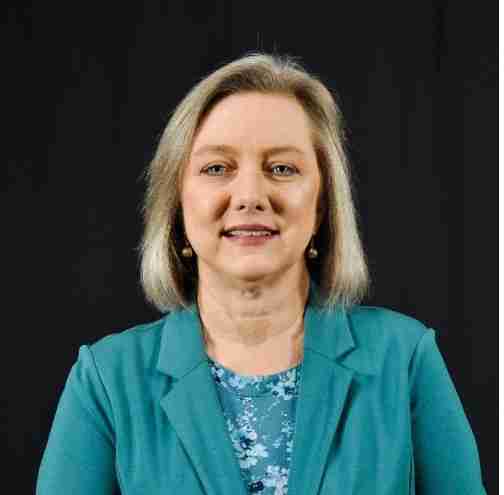
Niki Whiteside
San Jacinto College

Tim Snyder, EdD
Houston City College

Patrick Pluscht
University of North Texas

Charlene Stubblefield
Prairie View A&M University